
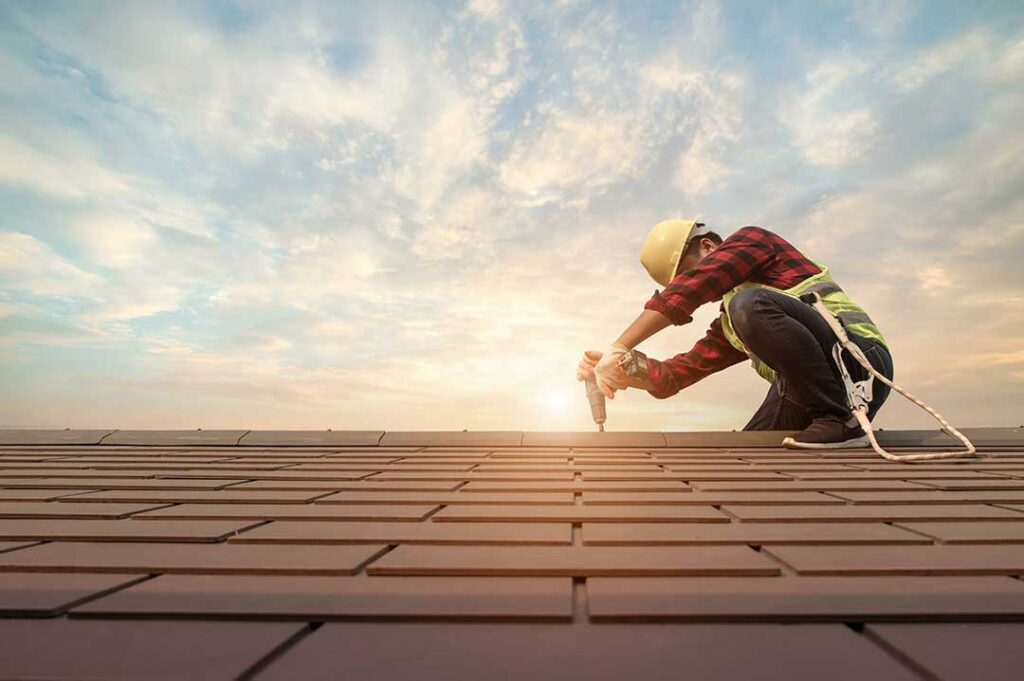
Roofing decisions often come down to two familiar choices: asphalt shingles and metal roofing. Both can protect a home effectively, but they differ in cost, lifespan, appearance, maintenance, weather performance, and installation requirements.
For homeowners in Waverly, NY, the better option depends on the home’s structure, roof design, budget, expected length of ownership, and tolerance for maintenance. There is no universal winner.
Which roofing material lasts longer?
Metal roofing generally lasts longer than asphalt shingles. A properly installed metal roof may serve for several decades, while common asphalt shingle systems often have a shorter service life.
Actual longevity depends on more than the material itself. Roof pitch, ventilation, installation quality, attic moisture, nearby trees, storm exposure, and maintenance all affect performance.
Asphalt shingles may wear sooner when exposed to repeated temperature changes, heavy snow, ice, algae, or strong wind. Metal can resist many of these conditions well, but it is not indestructible. Fasteners, seams, flashing, coatings, and penetrations can still fail if they are poorly installed or allowed to deteriorate.
A roof’s expected lifespan should therefore be treated as a range rather than a guarantee.
How do asphalt shingles and metal roofing compare in cost?
Asphalt shingles usually have the lower initial cost. They are widely used, familiar to many installers, and available in a broad range of styles. This makes them practical for homeowners managing a limited replacement budget or preparing a property for sale.
Metal roofing commonly costs more at the beginning because the material, accessories, detailing, and installation may be more specialized. The supporting roof structure may also need review, particularly when replacing an older roof or installing a heavier system.
The long-term cost comparison is less straightforward:
- Asphalt shingles may require replacement sooner.
- Metal roofing may have a higher initial price but a longer service life.
- Repairs depend on the type of damage, access, labor, and whether matching materials are available.
- A roof that lasts longer is not automatically the more economical choice if the homeowner expects to move within a few years.
Budget should include ventilation improvements, flashing, underlayment, disposal of old roofing, and repairs to damaged decking—not just the visible roof covering.
Which option handles snow, ice, and seasonal weather better?
Both systems can perform well in a cold, seasonally variable climate when designed and installed correctly. The roof’s drainage, flashing, ventilation, and snow-management details often matter as much as the surface material.
Metal roofing sheds snow more readily because of its smooth surface. That can reduce the amount of snow remaining on the roof, but it also creates a safety issue: snow can slide suddenly onto walkways, entrances, vehicles, landscaping, or lower roof sections. Snow guards may be appropriate in areas where sliding snow could cause harm.
Asphalt shingles provide more friction, so snow often remains in place longer. That may reduce sudden sliding but can increase the time that snow and ice sit on the roof. Ice dams are more closely connected to heat loss, insulation, air leakage, and roof ventilation than to the shingle material alone.
Neither material eliminates the need to keep gutters, downspouts, roof valleys, and drainage paths clear.
Is metal roofing noisy during rain?
Metal roofing can sound louder during rain or hail, especially over an unfinished attic or a room with limited insulation. In a properly insulated home with a solid roof deck and appropriate underlayment, the difference is often less noticeable than people expect.
The sound level depends on the roof assembly, not only the metal panels. Insulation, attic flooring, ceiling materials, underlayment, and interior finishes all influence how much sound reaches the living space.
Asphalt shingles are generally quieter because their layered, granular surface absorbs more sound. For households especially sensitive to outdoor noise, this may be a meaningful consideration.
Does metal roofing attract lightning?
Metal roofing does not inherently attract lightning. Metal is conductive, but it is not a cause of lightning strikes. A lightning event is influenced by atmospheric conditions, building height, surrounding terrain, and other factors.
If lightning strikes a building, the roof material is only one part of the safety picture. Electrical grounding and the structure’s overall design are more relevant. Metal roofing is also noncombustible, which can be a useful characteristic during exposure to nearby fire or airborne embers.
Are asphalt shingles easier to repair?
Asphalt shingles are often simpler to patch when damage is limited to a small area. Individual shingles can sometimes be replaced, and matching materials may be easier to find while the roof style is still current.
Metal repairs vary by system. A small puncture, loose fastener, damaged seam, or failed flashing detail may be repairable, but the work requires identifying how the panels connect and how water moves across the roof. Some metal systems are designed as interlocking panels, while others use exposed or concealed fasteners.
A repair should address the source of the leak rather than only covering the visible interior stain. Water may travel along the underside of the roof deck before appearing inside the home.
Which roof is better for older homes?
Older homes require an evaluation of the entire roof assembly before choosing a material. The roof framing, decking, ventilation, flashing, chimneys, skylights, and previous layers of roofing can all influence the decision.
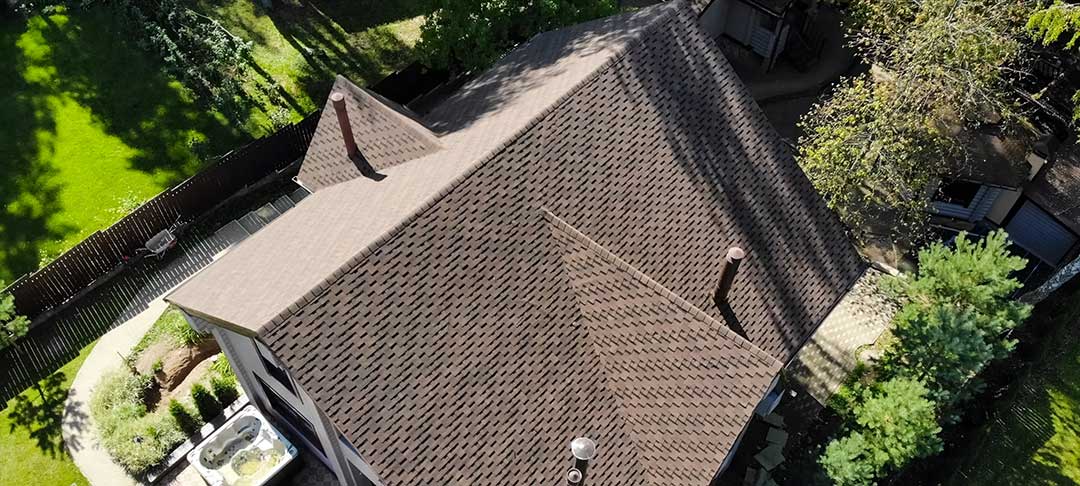
Asphalt shingles are often adaptable to traditional residential roof designs and may preserve a familiar appearance. Metal roofing can also suit older homes, particularly when a standing-seam or panel style complements the structure, but detailing around irregular roof sections may require additional planning.
Adding a new roof over hidden damage is not a long-term solution. Soft decking, deteriorated framing, moisture damage, and inadequate ventilation should be addressed before the new covering is installed.
How do the materials affect appearance and neighborhood character?
Asphalt shingles offer a conventional appearance with many color and texture choices. They can blend easily with common siding, masonry, and trim combinations.
Metal roofing is available in several profiles and finishes. Some styles have a distinctly modern appearance, while others are designed to resemble traditional roofing materials. Color selection matters because darker surfaces can absorb more solar heat, while lighter finishes may reflect more sunlight.
For any roofing project, local requirements may apply to structural changes, drainage, fire safety, historic properties, or exterior appearance. Checking applicable rules before work begins can prevent conflicts later.
Which choice is more environmentally responsible?
Metal roofing contains recyclable material and may remain in service for a longer period, reducing the frequency of replacement. Asphalt shingles, however, remain widely used and may be accepted through certain recycling or disposal programs depending on local availability.
Environmental impact also includes manufacturing, transportation, installation waste, and how long the roof remains functional. A poorly installed long-life roof is not a sustainable choice if it develops chronic leaks early.
The most responsible option is often the system that is correctly matched to the home, maintained properly, and kept in service for its realistic useful life.
What should homeowners check before deciding?
A sound comparison starts with the condition of the existing roof and the home beneath it. Useful questions include:
- Is the roof deck dry, solid, and properly fastened?
- Are attic insulation and ventilation adequate?
- Are there signs of ice dams, condensation, or repeated leaks?
- Does the roof have complex valleys, dormers, skylights, or wall intersections?
- Could sliding snow create a hazard near entrances or walkways?
- How long is the household likely to remain in the home?
- Is the priority lower upfront cost, longer service life, reduced maintenance, or a particular appearance?
For many Waverly households, asphalt shingles make sense when affordability, familiar appearance, and straightforward repairs are the main priorities. Metal roofing may be more suitable when long service life, noncombustibility, and reduced replacement frequency matter more than initial cost.
The material choice is only one part of roof performance. Proper flashing, underlayment, ventilation, drainage, fasteners, and workmanship determine whether either system performs as expected.
