

What Is Roof Underlayment, and Why Does It Matter?
Roof underlayment is a water-resistant or waterproof barrier installed directly onto your roof deck. It sits beneath the shingles or other final roof coverings. Underlayment adds a crucial layer of protection that shields homes from leaks, wind-driven rain, and moisture that can seep past the outer roofing materials—especially during the wet springs and snowy winters common in Waverly, NY.
This component is not always visible, so some residents may assume shingles alone protect against water. In reality, underlayment is a silent workhorse, often preventing costly hidden damage inside the roof structure, especially in freeze-thaw cycles typical of the city.
What Types of Roof Underlayment Are Available?
Several types of underlayment are used on residential roofs, each with different strengths and drawbacks:
- Asphalt-Saturated Felt: Sometimes called “felt paper” or “tar paper,” this traditional option is made from organic or fiberglass mats impregnated with asphalt. It's affordable and provides basic protection against water. However, it can tear easier than modern synthetics and may degrade faster in prolonged damp conditions.
- Synthetic Underlayment: Made from woven or spun polymers, synthetic versions are lighter, stronger, and more durable than felt. They withstand UV exposure and resist tearing, making them suited for areas with high winds and frequent storms.
- Rubberized Asphalt (Peel-and-Stick): This premium self-adhering material includes a rubberized layer that seals tightly to the roof deck and around fasteners. It offers excellent waterproofing and is used in high-risk zones like roof valleys or eaves—locations prone to ice dams during the city’s colder months.
Choosing the right type depends on roof pitch, local building code requirements, climate, and budget.
Do Local Weather Patterns in Waverly Affect Underlayment Choice?
In Waverly, weather fluctuations—including heavy snowfall, ice dams, and freeze-thaw cycles—can stress roofs. Underlayment becomes especially important for:
- Ice and Water Barriers: In regions where ice dams are common, building codes often require self-adhering ice and water shields along the roof’s lower edges to stop water backup. These areas are most vulnerable during winter melts and spring rains.
- Wind Resistance: Heavy winds that sweep across open fields or ridge lines can lift shingles, making a durable, tear-resistant underlayment essential to prevent water infiltration.
Checking local codes and considering local weather trends helps area residents select materials that provide more than basic protection.
How Is Underlayment Installed on Residential Roofs?
Underlayment is typically rolled out in horizontal layers, starting from the roof’s lowest edge and overlapping each course to direct water down and away. Key installation details include:
- Minimum overlaps (usually 2-4 inches) between sheets to prevent gaps
- Nailing or stapling it securely to the deck, with fastener placement specified by product type
- Extra layers or self-adhering membranes along eaves, valleys, and around roof penetrations (vents, chimneys, skylights) to block vulnerable leak points
Some underlayments have surface markings to guide straight installation lines. In the city, building inspectors sometimes check for correct material use in new builds and major renovations.
What Problems Can Happen If Underlayment Is Missing or Damaged?
When underlayment is left out, or sections are torn or deteriorated, homes become more vulnerable to:
- Leaks during wind-driven rain or melting snow
- Rotting of the wooden roof deck or framing (sometimes not visible from outside)
- Mold and mildew growth in attic spaces
- Shorter roof lifespan
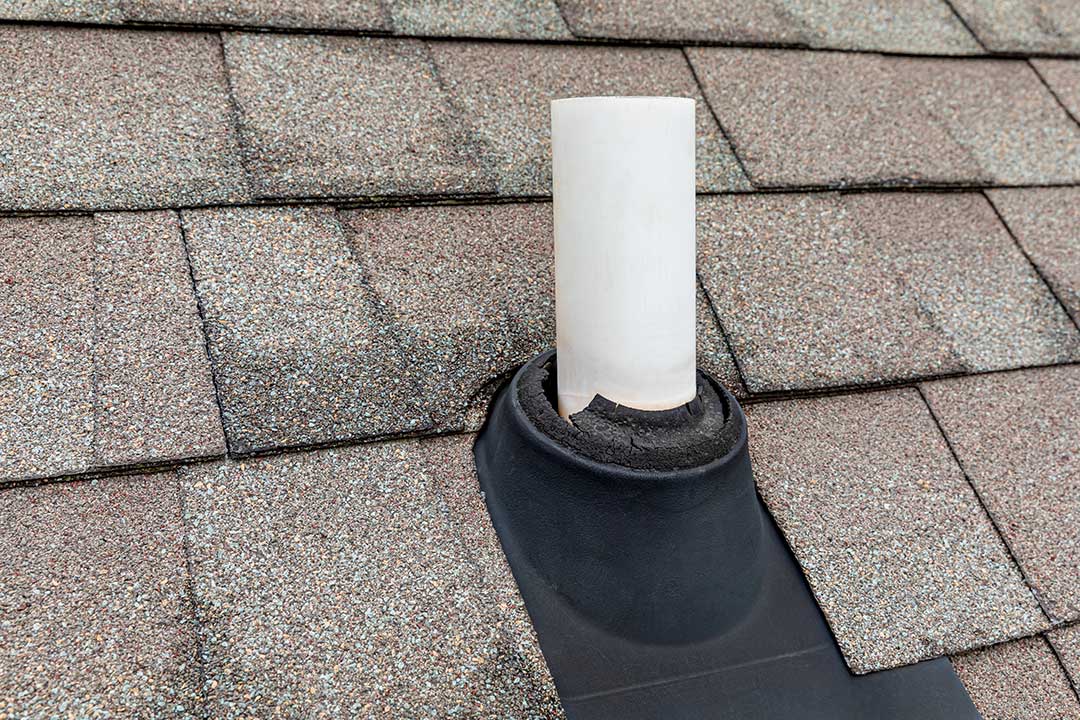
Even when undetected on the surface, issues stemming from poor or missing underlayment may show up as stains on ceilings, musty odors, or unexplained dampness inside.
Do Most Roofing Projects in the City Require Underlayment?
Building codes in Waverly generally require underlayment in any permitted roof replacement or installation. Exceptions are rare and depend on very specific material choices or structural systems.
For existing homes, underlayment cannot be inspected without removing roofing material. Many older homes have felt paper, which may have aged or crumbled over time. Quality roof replacement projects in the community always include new underlayment as part of modern best practices.
Are There Common Misconceptions About Roof Underlayment?
Many local homeowners believe that shingles alone keep water out, or that underlayment only matters during initial installation. In reality:
- Shingles mainly shed water; they are not fully waterproof.
- Underlayment acts as a backup during storms, ice, or if shingles are damaged.
- Some assume synthetic underlayment is excessive, but it handles wind and moisture better, which matters in the city’s unpredictable seasons.
Others may underestimate the value of ice and water shields in areas with moderate slope roofs and frequent snow. Not every spot on a roof needs extra membrane, but using it in high-risk places is a wise investment.
What Should Area Residents Consider Before Roof Work?
A few practical points for anyone planning a roof project in the city:
- Ask what type and brand of underlayment will be used and check that it meets local code.
- For older homes, discuss whether an ice and water shield is needed, especially near eaves, valleys, or low-pitch sections.
- If you suspect leaks, stained ceilings, or drafty attic spaces, hidden underlayment failures may be at fault.
Understanding what’s under the shingles gives area households more control over the long-term safety and warmth of their homes—especially through the unpredictable weather common in the community.
