

How Can Animals Damage a Roof in Waverly, NY?
Animals, both wild and domestic, can create several types of roof damage. In climates like that of Waverly, NY, where wooded areas blend with residential neighborhoods, local households often encounter roofing issues from animals seeking food, shelter, or nesting spots. Commonly seen culprits include squirrels, raccoons, birds, bats, and even household pets.
Squirrels and raccoons may pry up shingles or chew through roofing materials to gain access to attic spaces. Birds, especially starlings and sparrows, can nest in gutters or roof vents, causing water to back up into the roof structure. Bats, though less likely to physically damage shingles, may enter small gaps to form colonies, leaving droppings that cause rot and odors. Even domestic cats or dogs can scratch, dig, or otherwise disrupt roofing surfaces if allowed to roam freely on the roof.
The degree of damage often depends on the animal’s habits, the materials used in the roof, and the frequency of animal activity. Small breaches can quickly worsen due to the region’s regular rain and freeze-thaw cycles, making even minor animal activity a potential long-term concern.
What Are the Most Common Signs of Animal Activity on Roofs?
Several signs suggest an animal presence on a roof. Homeowners in the city might notice:
- Scratching or scurrying noises from above ceilings, especially at dawn or dusk
- Shingle or fascia board damage, such as gnaw marks or torn edges
- Entry holes near the eaves, soffits, ridge vents, or junctions with neighboring trees
- Gutter debris that includes nesting material (twigs, leaves, feathers)
- Droppings or a strong, musty odor around roof vents or attic entrances
Early detection often prevents further deterioration. Areas near wooded lots or open fields tend to experience more frequent animal-related roof issues, particularly in the fall as animals prepare for winter shelter.
Why Are Waverly Roofs Especially Susceptible to Animal-Related Problems?
The placement of many homes in tree-lined neighborhoods, along with mature landscaping, makes it easier for animals to access rooftops. Drooping branches provide easy highway routes for squirrels and raccoons. Meanwhile, seasonal shifts encourage wildlife to seek shelter—roofs and attics often become prime targets in the community.
Additionally, older homes in Waverly may have roofs with small gaps or weakened flashing, making infiltration easier. Even modern roofing can become vulnerable if vent screens are missing or if past repairs created weak spots. Regional humidity and precipitation can exacerbate minor entry points, allowing small openings to widen over time.
Can Animal Damage Impact Roof Lifespan or Indoor Safety?
Yes, animal intrusion can shorten the expected life of a roof and compromise home safety. When animals punch through shingles or pry open vents, moisture infiltration becomes a risk. Water-soaked decking and insulation can rot, mold, or collapse.
Attic infestations also increase fire risks if animals chew through electrical wiring. Some species, like raccoons, carry diseases in their waste that are hazardous to humans and pets. Bird or bat droppings may accelerate structural decay and contribute to poor indoor air quality. Ignoring these hazards can lead to expensive repairs—not just to the roof but also to interior ceilings, walls, and air ducts.
What Should Residents Do If They Suspect Animal-Related Roof Damage?
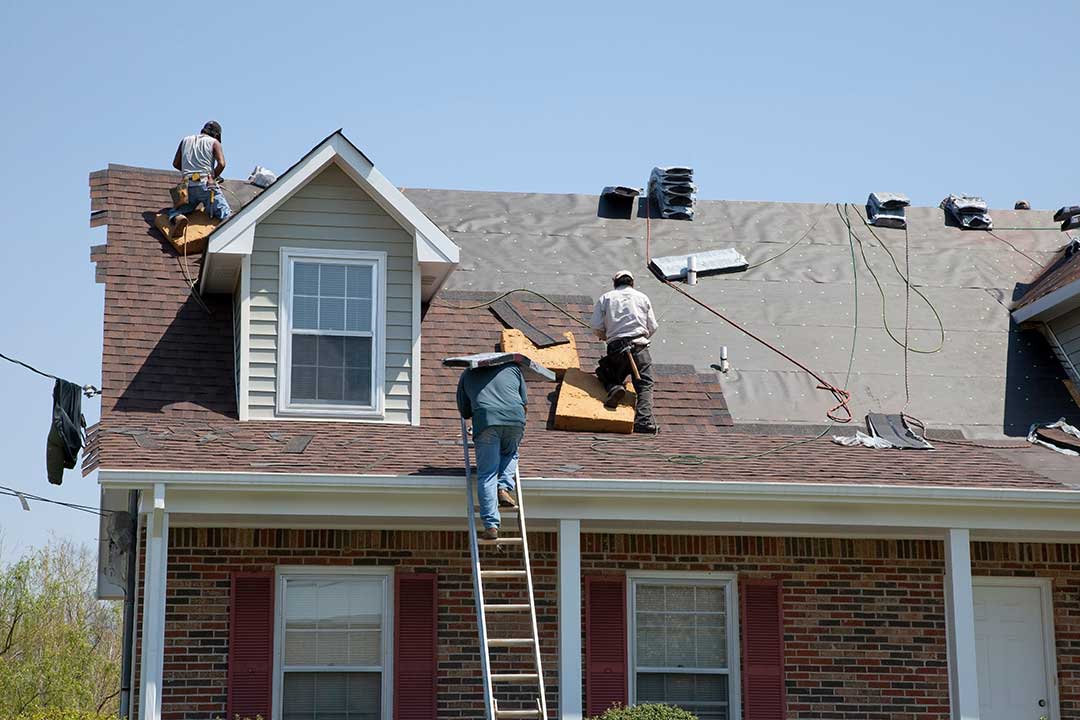
Identifying the source and extent of damage is key. Residents are strongly advised to first inspect from ground level, looking for:
- Shingle displacement or torn roof edges
- Debris in gutters and downspouts
- Noticeable entry holes or dark streaks beneath soffits and eaves
If there are noises or visual signs suggesting infestation, avoid entering the attic or climbing onto the roof until certain it’s safe. For nuisance wildlife or hazardous messes (like bat guano or significant droppings), contacting a licensed wildlife control expert is typically required by law for health and safety.
After removal, homeowners can seal gaps using animal-proof materials—such as welded wire mesh for vents or steel flashing at potential access points. Trimming tree branches near rooftops and removing attractants like accessible pet food or birdseed containers also helps.
Are There Common Misconceptions About Animals and Roofs in the Area?
Many assume small animals cannot cause serious harm to roofing. In reality, even a tiny bat or bird can introduce moisture and bacteria; a single squirrel can pry open space wider than a raccoon might need to enter. Some residents believe animal activity drops in winter, but attics provide appealing warmth and shelter in cold months.
Another misconception is that only old roofs are at risk. Even relatively new roofs may have vulnerable points—especially around satellite dish installations, solar panels, or skylights.
How Can Roofs Be Made Less Inviting to Animals?
Reducing animal attraction involves both physical barriers and changing local habits. Installing proper vent covers, using durable materials, and clearing away fallen fruit, birdseed, or pet food around the home are practical steps.
For homes with mature trees, pruning branches away from the roof edge helps prevent easy access. Keeping gutters free of organic material discourages nesting birds. Regular visual inspections—especially after storms or periods of high animal activity—make it easier to spot and address minor issues before they become significant problems.
