
Why Fall Roof Maintenance Matters in Waverly, NY
Seasonal care for your roof each fall helps prevent weather-related issues and preserves the value of your home. Local homes face humid summers and wet, icy winters, making autumn the ideal time to prepare for the harsher months ahead. Many common repairs can be avoided by taking a few precautionary steps when the weather is still mild.
What Are the Most Important Tasks to Handle Each Fall?
Basic maintenance for most homes includes cleaning, inspecting, and making minor repairs before winter sets in. These steps safeguard against leaks, ice dams, and other damage that’s common across the area.
- Clean gutters and downspouts of leaves, twigs, and debris
- Remove branches and organic matter from the roof surface
- Check nearby trees for overhanging limbs that might fall or scrape shingles
- Look for missing, loose, or curling shingles and shingles with exposed nail heads
- Examine flashing around chimneys, vents, and skylights for gaps or rust
These routine steps can often be done safely from a ladder or the ground, especially for single-story homes common in local neighborhoods. For two-story structures or steep slopes, consider your safety before attempting roof access.
How Can Leaves and Debris Impact Local Roofs?
Leaves and organic debris left to collect can block water flow, leading to backups under shingles and through soffits. Waverly’s abundant trees mean many homes deal with this problem, especially during late fall when heavy leaf drops can overwhelm gutters. Moisture trapped under piles of leaves can encourage shingle deterioration or even moss and algae growth.
If gutters clog, water can overflow and pool at the roof’s edge or drip close to the foundation. Over time, this contributes to ice dam formation in winter, when melting snow refreezes and pushes water back under the roof material. Cleaning gutters and roof valleys before freezing temperatures reduces these risks dramatically.
What Problems Should You Look for After Storms?
Heavy autumn rains and wind events often reveal weaknesses that went unnoticed earlier in the year. After every major storm, it’s wise to check for:
- Shingles that have blown off, shifted, or cracked
- New spots with granule loss, leaving bare areas exposed
- Flashing that is bent, separated, or has popped nails
- Sudden increases in shingle debris on the ground or in gutters
Even small issues can escalate quickly as the freeze-thaw cycle begins. Moisture entering the attic or underlayment may not show immediate symptoms but can lead to rotting wood, mold growth, or interior leaks months later.
Are There Mistakes Homeowners Often Make with Fall Roof Care?
A few common misconceptions may cost more in the long run:
- Waiting until after the first heavy frost to inspect or clean, which makes tasks slippery and risky
- Washing moss or algae with high-pressure water, potentially damaging shingle surfaces
- Using metal rakes or sharp tools to remove debris, which can scrape or puncture roofing material
Instead, use a plastic roof rake or a soft-bristle broom for gentle cleaning, and choose mild, non-corrosive solutions if removing moss. Avoid walking on a wet or leaf-covered roof to minimize slip hazards.
How Do Local Weather Patterns Affect Maintenance Timing?
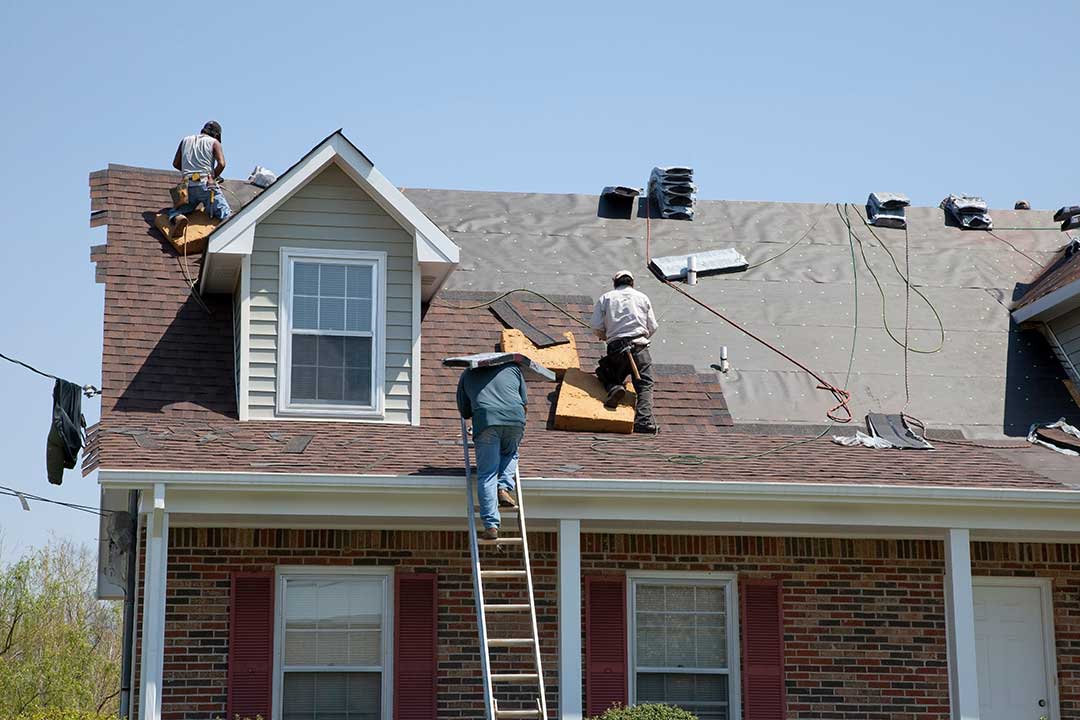
Rain arrives earlier and stays later in Waverly than in many other regions of New York. This means area residents benefit from starting maintenance by early October instead of waiting until late autumn. Completing checks and cleanups before heavy frosts are routine lets any small repairs set properly.
Be aware that a sudden cold snap can create icy surfaces overnight, making rooftop work particularly hazardous. Always check local weather forecasts and choose dry, sunny afternoons whenever possible for outdoor roof tasks.
What Tools and Supplies Are Helpful for Safe DIY Fall Roof Care?
The right preparation makes all the difference and reduces the need for multiple trips up and down a ladder. Handy supplies for local households include:
- A sturdy extension ladder (placed on flat, stable ground)
- Work gloves and non-slip shoes or boots
- Large plastic tarp to collect roof debris without harming landscaping
- Plastic leaf scoop or gutter cleaning wand
- Binoculars for visual inspections from the ground, especially on higher homes
For small shingle or flashing repairs, keep extra roofing nails, tar or roofing cement, and a caulking gun on hand. Address only minor damage yourself; leave large, structural or height-related work to experienced tradespeople, especially when conditions are slick or icy.
What Signs Suggest that a Roof Needs Attention Before Winter?
Being proactive is much easier (and less costly) than handling an unexpected emergency mid-winter. Signs to act on before snow arrives include:
- Noticeable daylight shining through in the attic, especially near roof joints
- Damp insulation or wet spots on rafters
- Sagging or uneven roof lines when viewed from the yard
- Consistently overflowing or separated gutters
Addressing these issues before the freeze ensures water drains properly and prevents long-term damage to both the roof and the rest of the home—an especially smart move in climates with regular snow and ice.
