
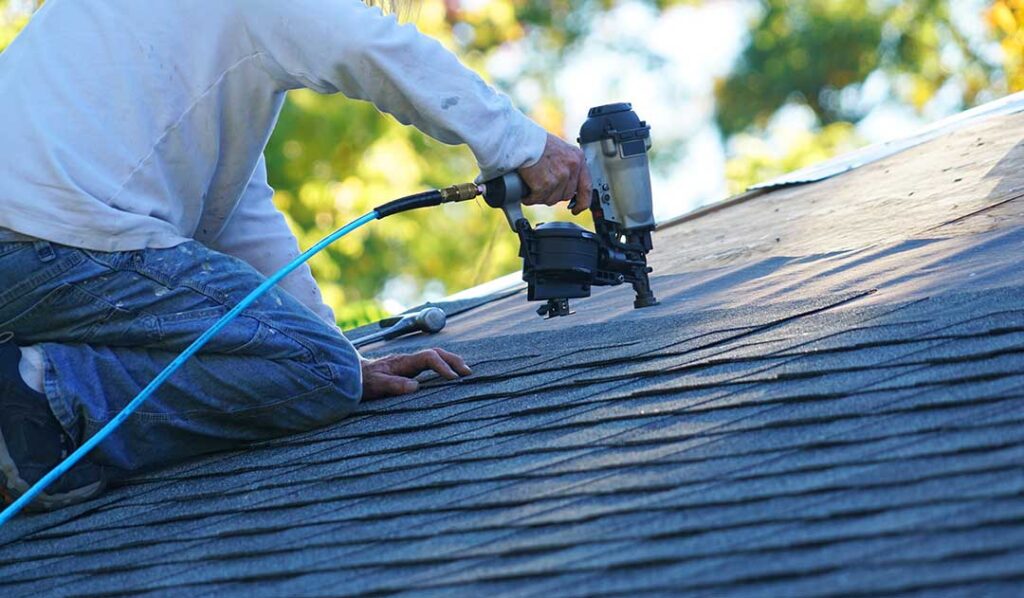
How Serious Is It to Ignore Small Roof Problems in Waverly, NY?
Minor roof issues like loose shingles, small leaks, or clogged gutters may seem harmless at first, but delaying repairs can lead to extensive—and expensive—damage. The local climate in Waverly, NY, with its freeze-thaw cycles, seasonal storms, and high humidity periods, makes even minor roof concerns more urgent than they might seem.
Even a seemingly insignificant water spot on a ceiling or a missing shingle can allow moisture to penetrate, leading to problems that escalate quickly. Common overconfidence is thinking, "It can wait until spring," but regular freeze and thaw can widen gaps and create new pathways for water over the winter.
What Types of Damage Can Happen If Roof Repairs Are Delayed?
Allowing small roof problems to go unresolved means exposing your home to a chain reaction of issues:
- Water damage: Leaking water enters attics, walls, and ceilings, causing rot, mold, or warped structures.
- Mold and mildew growth: The Northeast’s humid months can spur rapid mold growth in wet insulation or drywall.
- Insulation and energy loss: Wet insulation loses effectiveness, raising heating and cooling bills for residents.
- Structural problems: Rafters, joists, and decking can weaken or rot if prolonged moisture is present.
- Pest intrusion: Gaps and rot provide easy entry for squirrels, birds, or insects seeking shelter.
Waverly households, especially those in older homes with aging roofs, are particularly at risk because older materials are often less resistant to deterioration.
Does Ignoring Roof Leaks Make Repairs More Expensive Later?
Yes. Addressing a small leak early is far less costly than managing the aftermath of months of overlooked water intrusion. For example, fixing a few loose shingles or replacing a flashing can be a routine maintenance expense, but waiting until water damages the roof deck, insulation, and interior drywall can lead to significant costs and major disruptions.
Consider common scenarios in the local area:
- A minor leak left unattended over one winter can soak attic insulation, requiring both roof and interior restoration.
- Untreated roof moss or algae—common after wet seasons—can undermine shingles, requiring premature replacement.
The labor, materials, and potential need for multiple home repairs always escalate the longer problems persist.
Can Roof Problems Affect Insurance and Home Value in the City?
Most homeowner insurance policies require regular maintenance. If an insurer finds that neglect led to a claim—such as water damage from a long-standing roof leak—they may deny coverage for repairs. Additionally, visible roof neglect or patchy fixes can become a red flag for potential buyers, often reducing the market value and appeal of a home.
Local real estate agents and inspectors in the area report that buyers frequently request detailed roof assessments or price reductions when there is evidence of deferred roof care, especially if records show repeated past leaks or repairs.
Are There Local Factors in Waverly That Make Roof Neglect More Risky?
Local residents face several specific risks tied to the region’s weather and building character:
- Frequent freeze-thaw cycles: Ice dams along eaves can push water under shingles, exposing even small flaws and causing significant damage.
- Heavy rain and snow loads: Clogged or damaged gutters struggle to manage runoff, increasing chances of water backup under roofing materials.
- Tree coverage: Mature trees common in many neighborhoods can drop twigs, leaves, and branches, creating shaded spots prone to moss growth and physical damage from falling debris.
Older neighborhoods may also have roofing materials nearing the end of their serviceable life, making them more vulnerable to minor damage quickly developing into larger issues.
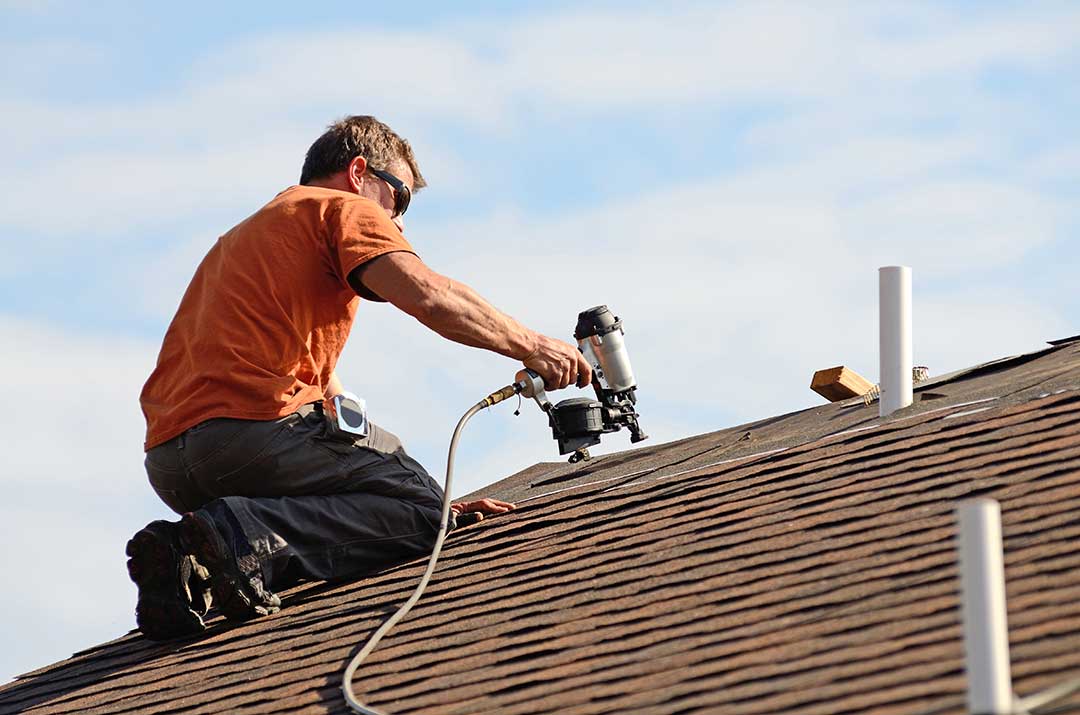
What Are Signs Local Residents Should Never Ignore?
Some warning signs, even if they appear minor, should not be brushed aside:
- Water spots on ceilings or walls—especially after storms or snow melts
- Peeling paint or bubbling plaster inside the home
- Granule buildup in gutters, indicating aging asphalt shingles
- Sagging, dipping, or soft areas on the roof
- Sudden increases in energy bills without another explanation
- Persistent musty smells in attics or upper floors
Spotting any of these should prompt immediate attention to avoid much larger, more expensive repairs in the future.
What Steps Can Homeowners Take to Prevent Small Problems From Growing?
Routine monitoring and simple seasonal maintenance are the most effective ways to avoid costly damage:
- Inspect the roof and attic spaces a couple of times per year, especially after severe weather
- Keep gutters clear and downspouts functioning so water can drain away from the house
- Trim overhanging branches to minimize debris and damage risk
- Look for early signs of moss, algae, or damaged shingles and address them promptly
- If accessing the roof isn’t safe, many local residents check from the ground with binoculars or a camera zoom
Early identification and timely handling of small issues often mean the difference between a simple patch and a full roof, attic, or structural repair.
