
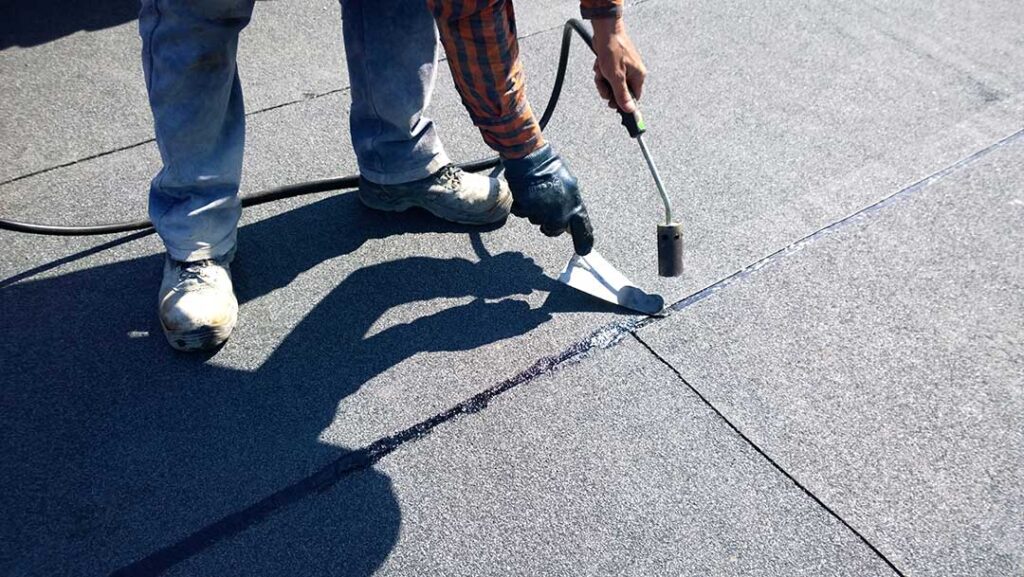
How long does a typical roof last?
For homeowners in Waverly, NY, a typical asphalt shingle roof lasts about 15 to 25 years. Some roofs reach 30 years or more when they are well installed, properly ventilated, and exposed to moderate weather. Others need major repairs much sooner because of storm damage, poor drainage, trapped moisture, or installation problems.
The expected lifespan is only a starting point. A roof’s actual condition depends on its materials, age, slope, ventilation, maintenance history, and exposure to seasonal weather. Two roofs installed in the same year may not wear at the same rate.
What is the expected lifespan of common roofing materials?
Roofing materials have different service ranges. These estimates assume reasonable installation quality and normal maintenance.
- Three-tab asphalt shingles: Approximately 15 to 20 years
- Architectural asphalt shingles: Approximately 20 to 30 years
- Wood shingles or shakes: Approximately 20 to 30 years, depending on moisture exposure and maintenance
- Metal roofing: Approximately 40 to 70 years, depending on the type of metal, finish, fasteners, and installation
- Clay or concrete tile: Approximately 40 to 75 years, although the underlayment may need attention sooner
- Slate roofing: Often 75 years or longer when the material and supporting structure are suitable
These ranges describe the roofing material itself, not necessarily every component of the roof system. Flashing, sealants, pipe boots, underlayment, gutters, and ventilation parts can wear out earlier.
Why do local weather conditions affect roof life?
Seasonal weather can shorten a roof’s useful life even when the shingles appear intact. In this part of New York, roofs commonly experience freezing temperatures, snow, ice, rain, wind, and repeated thawing. Each condition affects roofing in a different way.
Snow adds weight, especially when several storms occur close together. Ice can form along eaves when heat escapes through the attic and melts snow on the upper roof. The water may refreeze near the colder roof edge, creating an ice dam that can push moisture beneath shingles.
Freeze-thaw cycles are also hard on flashing, sealants, masonry, and other areas where different materials meet. Wind can lift or loosen shingles, while falling branches may cause damage that is not immediately visible from the ground.
Weather does not automatically mean a roof will fail early. It does mean that age and condition should be evaluated together rather than relying only on the original installation date.
What are the first signs that a roof is aging?
Aging usually appears gradually. Common warning signs include:
- Shingles that are curling, cracking, blistering, or missing
- Granules collecting in gutters or near downspouts
- Dark streaks or areas of uneven discoloration
- Exposed fasteners or deteriorated flashing
- Sagging along the roof surface or roofline
- Daylight visible through the attic roof deck
- Water stains on ceilings, walls, or attic insulation
- Repeated leaks in the same general area
A few damaged shingles do not necessarily mean the entire roof needs replacement. Localized damage may be repairable, particularly when the rest of the roofing system is relatively young. On an older roof, however, repeated repairs may indicate broader wear.
Does a roof need replacement as soon as it reaches its expected lifespan?
No. The age of a roof is a useful screening tool, not an automatic replacement deadline.
A 20-year-old roof may still perform adequately if the shingles are in good condition, the attic is dry, and flashing and drainage systems remain sound. A 12-year-old roof may require extensive work if it has suffered storm damage, persistent moisture exposure, or poor ventilation.
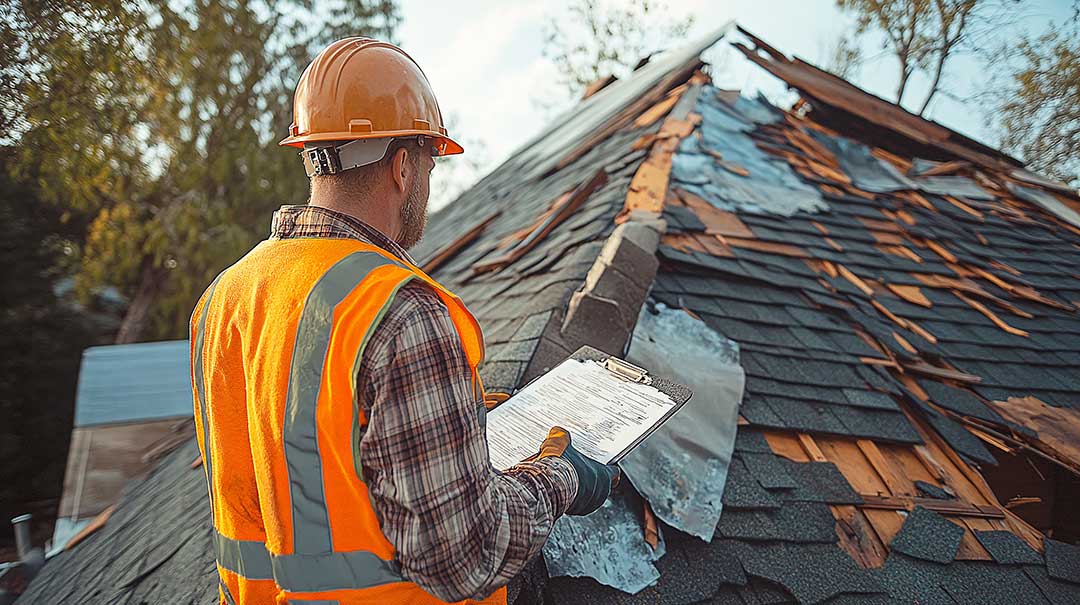
A practical evaluation considers three questions:
1. How old is the roof?
2. What visible or documented problems are present?
3. How likely are those problems to continue or spread?
Roofing decisions are more reliable when based on observed conditions rather than age alone. If leaks are active, the roof structure is sagging, or damage follows a major storm, safety concerns take priority over estimating remaining lifespan.
How does attic ventilation influence roof longevity?
Proper attic ventilation helps regulate temperature and moisture. During cold weather, excessive heat in the attic can contribute to uneven snow melting and ice formation. During warmer weather, poor airflow can trap heat and moisture beneath the roof.
Moisture in an attic can damage insulation, encourage wood decay, and support mold growth. It may come from roof leaks, bathroom exhaust routed into the attic, air leakage from the living space, or condensation caused by inadequate ventilation.
Ventilation works as part of a larger system that includes air sealing, insulation, intake vents, exhaust vents, and moisture control. Adding a vent without addressing the underlying problem does not necessarily improve roof performance.
Can maintenance extend the life of a roof?
Routine maintenance can help a roof reach the higher end of its expected lifespan, although it cannot reverse normal aging.
Useful maintenance includes clearing leaves and other debris from roof drainage areas, keeping gutters and downspouts open, trimming branches that can scrape the roof, and checking for visible damage after severe weather. Attic inspections can also reveal leaks or condensation before stains appear inside the home.
Walking directly on shingles is not recommended for routine inspection because it can loosen granules or damage brittle materials. A ground-level review with binoculars, followed by an attic check when safe, can identify many early warning signs without adding unnecessary wear.
Are leaks always a sign that the roof must be replaced?
No. A leak may result from damaged flashing, a failed pipe boot, a small area of missing shingles, a blocked drainage path, or water entering at a nearby roof intersection. In those cases, correcting the source may restore the roof without full replacement.
However, a leak should not be ignored simply because it appears small. Water can travel along roof decking, rafters, insulation, or wall cavities before becoming visible indoors. A ceiling stain may represent an older event, but it may also indicate ongoing moisture.
Repeated leaks, widespread shingle deterioration, soft roof decking, or extensive structural moisture damage are stronger signs that repair alone may not provide a dependable long-term solution.
How should homeowners estimate remaining roof life?
A reasonable estimate combines the roof’s age with its current condition. For example, an asphalt roof that is 18 years old and showing widespread granule loss, curling, and recurring leaks is likely near the end of its practical service life. A roof of the same age with intact shingles, dry attic framing, sound flashing, and no history of leakage may have more useful time remaining.
Keep records of installation dates, repairs, storm damage, and any attic moisture. These details make it easier to identify changes over time and distinguish ordinary aging from a new problem.
For homes in the community, seasonal checks are especially useful after winter, heavy rain, high winds, and rapid temperature changes. Roofing problems are generally easier to address when found before water reaches insulation, ceilings, walls, or structural wood.
What is the simplest rule of thumb?
For most asphalt-shingle roofs, plan on roughly 15 to 30 years, but treat that number as a range rather than a guarantee. Watch the roof’s condition, drainage, attic moisture, and repair history. A roof that is inspected periodically and protected from preventable moisture problems may last considerably longer than one that is neglected, while severe weather or installation defects can shorten its life substantially.
