

What Are the Latest Roofing Materials and How Do They Perform in Waverly, NY?
Recent years have brought several new roofing materials to the market, each offering improved durability, energy efficiency, or sustainability. In Waverly, NY, climate matters—a mix of cold winters, humid summers, and heavy precipitation impacts what roofing products locals find most practical.
Modern Asphalt Shingles: Traditional asphalt shingles remain popular due to affordability and relatively easy installation, but newer versions are now made with impact-resistant layers. These can withstand hail better and last longer, making them a solid choice for locations that experience harsh weather swings.
Metal Roofs: Many area homeowners are turning to metal options. Today’s metal roofs are not just sheets of tin; they often use coated steel or aluminum with high-reflectance paint finishes. This can help reduce summer heat absorption. Some are even designed to look like shake, slate, or tile. Metal roofing can last 40–70 years and often sheds snow more efficiently—important given the heavy winter snow the area sometimes receives.
Synthetic Roofing Products: New synthetic options mimic slate, wood, or tile, but use composite materials that resist rot, insects, and algae. These weigh less than natural materials, which is beneficial for older homes that may not support heavy traditional roofing.
When choosing material, residents often ask about longevity vs. upfront cost. While innovations can mean a higher initial investment, many newer materials require less maintenance and offer longer warranties, helping offset costs over time.
How Do Energy-Efficient Roofs Impact Local Homes?
Energy-efficient roofing can make a measurable difference in indoor comfort and utility bills for Waverly households. Options have expanded significantly beyond just adding attic insulation.
Cool Roofs: Advances in reflective coatings mean certain shingles and metal roofs now reflect more sunlight, rather than absorbing heat. This reduces attic temperatures and can ease summer air conditioning loads. Although often associated with warm climates, radiant heat is a concern during long, sunny stretches even in upstate New York.
Insulated Roof Decks: Some replacement projects include integrated insulation boards, which are especially useful for homes with minimal attic space or rooms built into the roof. This helps prevent heat loss during long winter months.
Ventilation Upgrades: Newer roofing systems often recommend or require advanced ridge and soffit vent designs, which help prevent ice damming, moisture build-up, and attic overheating.
For locals considering roof replacement, checking whether materials qualify for energy efficiency tax credits or builder incentives is worthwhile.
Are There Sustainable or “Green” Roofing Options Available?
Eco-conscious roofing has become much more than a niche concern. Many residents look for ways to reduce environmental impact or use recycled materials.
Recycled Content Products: Some newer asphalt and composite shingles include recycled plastic, rubber, or other reclaimed content. These reduce landfill waste and can perform just as well as traditional materials.
Green Roofs (Living Roofs): While more common on flat, commercial buildings, it’s possible to install a “living roof” with soil and low-maintenance vegetation on residential homes—especially garages or additions. These can help insulate rooms, reduce runoff, and provide habitat for local pollinators. Installation is complex and requires structural review, but it’s a topic of growing interest.
Solar-Ready and Solar Shingles: For residents interested in solar, newer roofing designs now integrate durable mounting points or use solar shingles—units that produce electricity while functioning as weatherproof roofing. While not yet prevalent in Waverly, options continue to expand and become more cost-effective.
How Have Local Weather Patterns Shaped Roofing Innovation?
Roofing advances tailored to withstand regional weather are especially valuable for the community.
Ice and Snow Protection: Longer-lasting underlayments and ice-and-water barriers are increasingly standard. Many modern products self-seal around nails or fasteners, which helps prevent leaks after freeze-thaw cycles common around here.
Impact and Wind-Resistance: Recent storms in New York have underscored the need for high-wind and hail-resistant materials. Innovation in shingle design means even mid-range products now offer ratings for gusts well above those seen in the area’s most severe storms. For homes exposed to higher winds or surrounded by tall trees, these advancements add meaningful protection.
What New Technologies Make Maintenance Simpler and Safer?
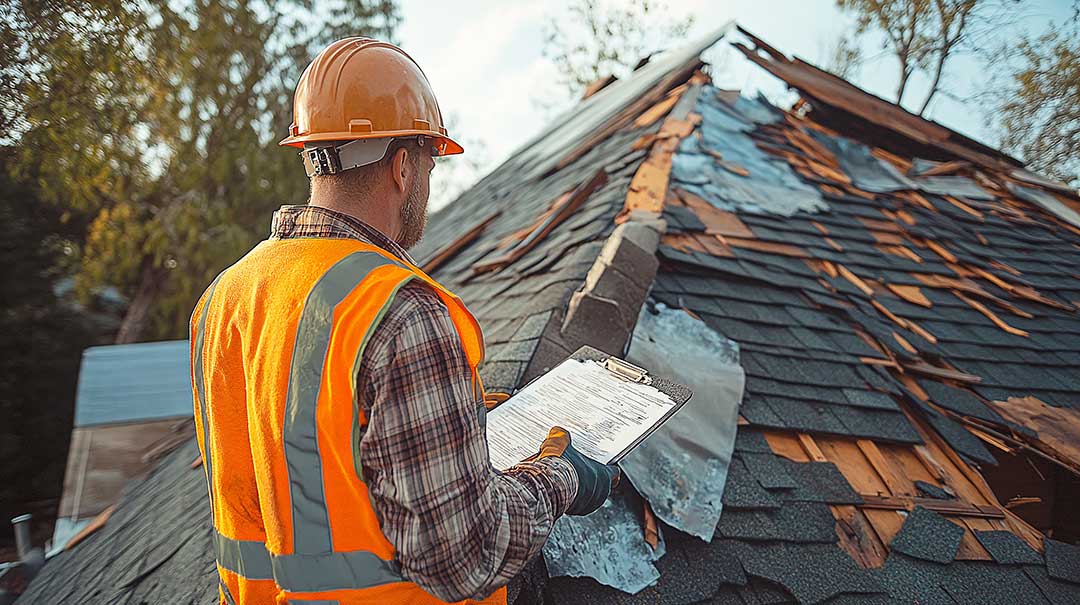
Nobody relishes regular roof maintenance, especially during rainy, cold, or icy months. Innovations are making maintenance less frequent and less risky.
- Algae-Resistant Shingles: Copper or zinc granules embedded in newer shingles slow the growth of algae and moss, reducing unsightly streaks and slippery surfaces.
- Smart Monitoring Devices: Wireless sensors can now alert owners if leaks develop or unusual moisture is detected, helping catch problems early before major repairs are needed. Some are specifically designed for rooftop use and provide app-based alerts.
- Gutter and Snow Guard Improvements: Reinforced gutter guards and adjustable snow stops help keep water flowing and prevent ice buildup, key concerns during local winters.
These updates mean less time on ladders and fewer emergency repairs after storms.
What Should Local Homeowners Consider Before Adopting New Roofing Technology?
Before deciding on any advanced roofing system, the local climate, existing roof structure, and long-term housing plans are all important considerations.
- Some innovations require a full roof replacement, while others can be retrofitted to existing structures.
- Not every product marketed as “innovative” suits the heavy snows and freeze-thaw cycles experienced in the area. Double-check manufacturer guidelines for minimum and maximum temperature tolerances.
- Insurance and warranty coverage may differ from traditional products, especially with solar, green, or composite roofs.
- Local building codes may impact the types of materials and systems that can be used, particularly where structural loads or runoff management is concerned.
Talking with neighbors who have adopted new roofing systems, or consulting public agencies on subsidies or code requirements, can provide valuable insights. Practicality, proven durability, and a history of reliable performance in the region often matter just as much as cutting-edge features.
