
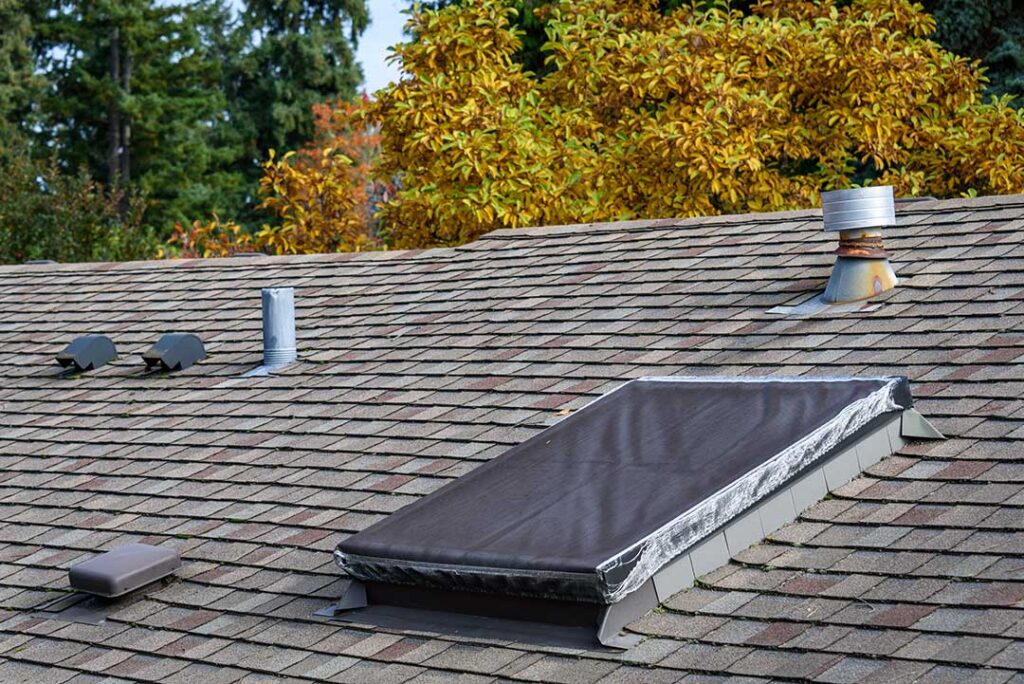
Why seasonal roof maintenance matters in Waverly, NY
A roof in this area must handle freeze-thaw cycles, snow, wind, heavy rain, falling leaves, and summer heat. Seasonal maintenance helps identify small problems—such as blocked drainage, lifted shingles, or damaged flashing—before moisture reaches the attic, insulation, ceilings, or wall cavities.
A roof inspection does not always require climbing onto the roof. Many useful checks can be completed safely from the ground, inside the attic, or around the gutters. Walking on a roof can damage shingles and create a fall hazard, especially when surfaces are wet, icy, or steep.
What should be checked in early spring?
Spring is the right time to look for winter damage and drainage problems. Snow and ice can loosen roofing materials, while repeated freezing and thawing can widen small cracks around flashing, vents, and masonry.
Begin with a ground-level inspection. Look for:
- Shingles lying in the yard or appearing curled, cracked, blistered, or displaced
- Metal flashing that appears lifted, bent, or separated
- Sagging areas along the roofline
- Excessive granules collecting in gutters or near downspouts
- Damaged chimney caps, vent covers, or roof-mounted equipment
- Moss or algae growth that is spreading across shaded roof sections
Clean gutters and downspouts after most spring debris has fallen. Water should flow freely through the system and discharge well away from the foundation. Downspouts that empty beside the house can contribute to basement moisture, soil erosion, and ice formation near walkways.
Inside the attic, inspect the underside of the roof for damp insulation, dark stains, daylight showing through roof boards, or rusty fasteners. A musty odor can also indicate that moisture has been present, even if no active leak is visible.
How can a roof be prepared for summer storms?
Summer maintenance should focus on drainage, ventilation, and wind resistance. Thunderstorms can produce short periods of intense rain, while strong gusts may expose weaknesses that are not obvious during calm weather.
Check whether gutters are pulling away from the fascia or holding standing water. Gutters that sag may not drain correctly, even when they appear clean. Confirm that downspout extensions remain connected and that water does not flow toward the foundation.
Trim branches that rub against the roof or hang directly over it, but avoid cutting or climbing near overhead electrical lines. Branches can scrape away protective granules, drop heavy limbs, and create pathways for insects or moisture.
Roof ventilation also deserves attention during warm months. Proper airflow helps release heat and moisture from the attic. Blocked soffit vents, covered ridge vents, or bathroom exhaust fans that discharge into the attic can contribute to damp insulation, mold growth, and premature deterioration of roof materials.
Bathroom and kitchen exhaust should generally discharge outdoors through properly sealed vents, not into an attic or wall cavity. This is especially relevant in homes with older additions, converted attic spaces, or renovations completed over many years.
What should homeowners inspect before autumn?
Autumn maintenance is mainly about removing debris and preparing for snow and ice. Leaves, twigs, and pine needles can collect in valleys, behind chimneys, around skylights, and inside gutters. These areas deserve extra attention because trapped debris can hold moisture against roofing materials.
Before winter, check:
- Gutters, downspouts, and leaf guards for blockage
- Flashing around chimneys, walls, vents, and skylights
- Roof valleys where multiple slopes meet
- Attic insulation and ventilation openings
- Tree branches that could break under snow or ice
- Exterior caulking around roof penetrations and wall joints
Do not rely on caulk as a permanent repair for damaged flashing or roofing materials. Sealants can deteriorate, shrink, or separate with temperature changes. They may temporarily reduce water entry while leaving the underlying problem unresolved.
Autumn is also a useful time to check attic insulation levels. Insulation that is compressed, wet, or uneven may not perform effectively. However, adding insulation without preserving ventilation paths can create problems. Insulation should not block soffit vents, and any changes should account for the roof’s existing ventilation design.
How should a roof be monitored during winter?
Winter roof care is mostly preventive and observational. Avoid climbing onto a snowy or icy roof, and do not use sharp tools that could puncture shingles or damage membranes.
After major snow or wind events, inspect the roof from the ground. Watch for:
- Uneven snow buildup or large snow shelves at the eaves
- Sagging rooflines
- Ice forming repeatedly along the same gutter section
- Water stains or dripping inside the attic
- Displaced shingles, metal panels, or flashing
- Snow entering through attic vents
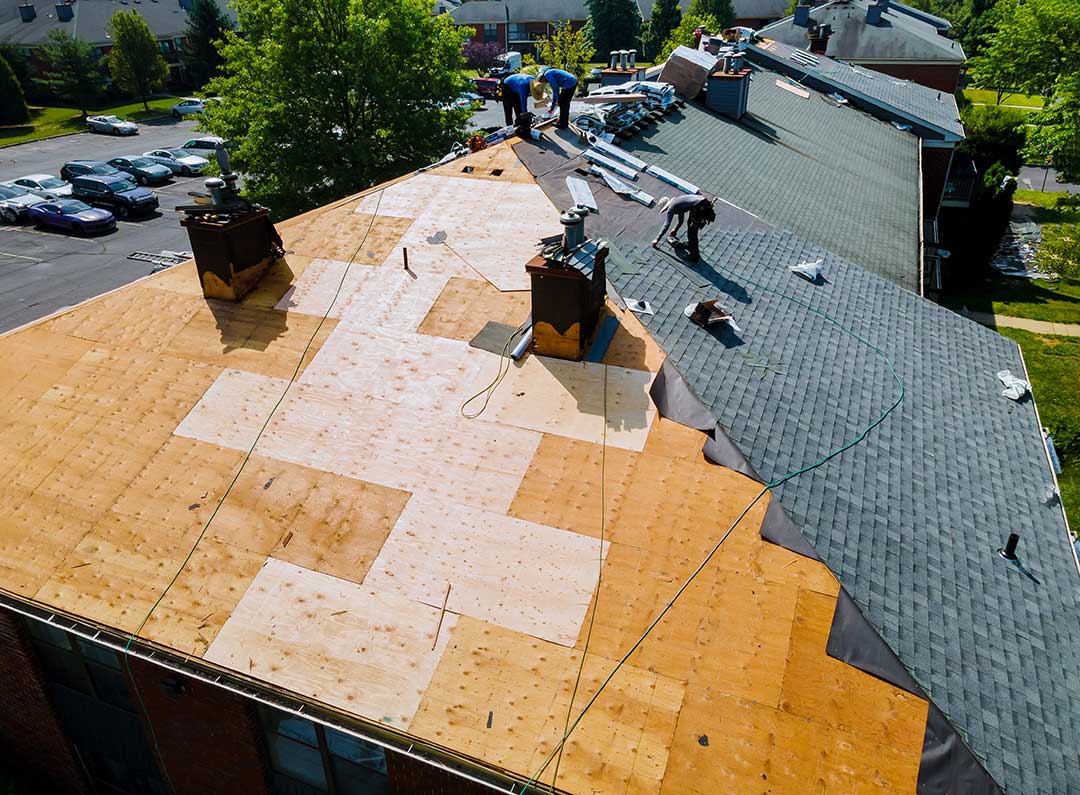
Ice dams form when heat escapes into the attic and melts snow on the upper roof. The water can refreeze near colder eaves, creating a barrier that redirects water beneath roofing materials. Poor insulation, air leaks, inadequate ventilation, and heavy snow can all contribute.
Do not chip away at an ice dam from the roof. This can injure someone below and damage shingles. Indoor moisture should also be controlled by using bathroom exhaust fans, venting dryers outdoors, and keeping attic air pathways clear.
How often should gutters and roof surfaces be checked?
Most homes benefit from a detailed inspection in spring and another before winter, with additional checks after severe storms. Properties surrounded by mature trees may need more frequent gutter cleaning, particularly after leaves have fallen.
A roof does not need to look visibly old to have a developing problem. Flashing, sealants, vents, and drainage components may fail before the main roofing surface appears worn. Homes with multiple roof sections, dormers, porches, additions, or low-slope areas also have more transition points where water can collect.
Keep a simple maintenance record with the date, weather conditions, visible concerns, and any repairs completed. Photos taken from the same ground-level locations can make it easier to compare changes over time.
Which roof problems require prompt attention?
Some conditions should not wait for the next seasonal check. Prompt evaluation is appropriate when there is active leaking, a sagging roof deck, exposed underlayment, extensive shingle loss, damaged flashing around a chimney, or water entering electrical areas.
Safety also matters. A roof may be hazardous because of ice, steep slopes, unstable materials, hidden soft spots, or nearby power lines. Residents should avoid climbing in these conditions. Emergency measures such as placing a container under an interior drip or moving belongings away from the affected area can limit damage while the cause is assessed.
A stain on a ceiling does not always appear directly beneath the roof defect. Water can travel along rafters, roof decking, insulation, or wall framing before becoming visible indoors. Finding the exact entry point may therefore require examining both the interior and exterior components.
What is the simplest seasonal routine?
A practical schedule is:
- Spring: Look for winter damage, clean drainage systems, and inspect the attic for moisture.
- Summer: Check storm-related vulnerabilities, trim hazardous branches, and confirm attic ventilation.
- Autumn: Clear leaves and debris, examine flashing, and prepare gutters and downspouts for snow and ice.
- Winter: Monitor for leaks, unusual snow loads, ice dams, and changes in the roofline without climbing onto icy surfaces.
Consistent observation is more useful than waiting for a visible ceiling leak. In a climate with snow, freezing temperatures, summer storms, and frequent seasonal transitions, small inspections can help reveal roof problems while they are still limited to an exterior component.
