
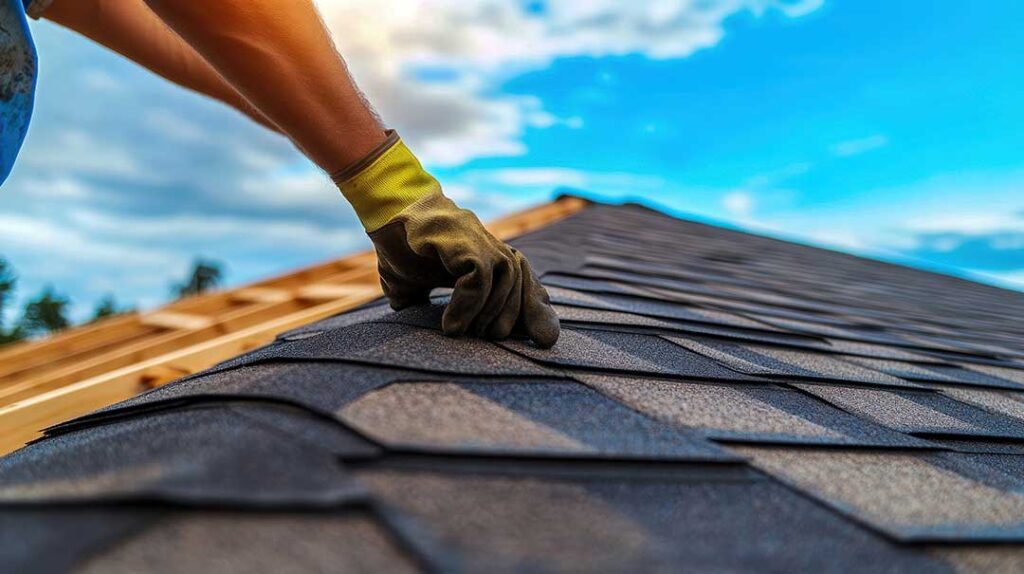
Hanging seasonal lights can be done safely when the roof, electrical equipment, weather, and access method are considered together. For homes in Waverly, NY, winter conditions such as snow, ice, wind, and freeze-thaw cycles make secure installation especially important.
The safest approach is to keep feet off the roof whenever possible, use clips designed for the edge of the roof, inspect every light strand before installation, and remove the lights before they become buried in snow or damaged by winter weather.
Is it safe to stand on the roof to hang lights?
Usually, roof access creates more risk than the light installation itself. Sloped surfaces can be slippery even when they look dry, and asphalt shingles may become brittle in cold temperatures. Frost, damp leaves, ice, and unseen weak spots near roof edges can make footing unpredictable.
A ladder, telescoping pole, or ground-level installation method is generally safer than walking across the roof. If roof access is unavoidable, the work should not be attempted during rain, snow, ice, high wind, or freezing temperatures.
Never walk on a roof that has visible damage, sagging areas, loose shingles, heavy snow, or ice accumulation. Roof surfaces are not designed as ordinary walking paths, and stepping in the wrong area can also loosen shingles or damage flashing.
What should be checked before hanging lights?
Inspect the roof edge and the lights before placing anything. The installation should be postponed if the roof has active leaks, missing shingles, exposed underlayment, loose gutters, damaged fascia, or unstable trim.
Check each light strand for:
- Cracked or split insulation
- Exposed copper wire
- Bent, corroded, or loose plugs
- Missing bulbs or damaged sockets
- Signs of melting or overheating
- Cuts caused by rodents or storage damage
Discard damaged strands rather than covering defects with electrical tape. Tape may not restore the original weather resistance or insulation.
The outlet should also be tested. Outdoor receptacles should have ground-fault circuit-interrupter protection, commonly called GFCI protection. A GFCI can shut off power quickly if electricity begins flowing along an unintended path, such as through wet equipment or a person.
Which clips are safest for roof edges?
Use purpose-made plastic light clips that attach to gutters, shingles, fascia, or other approved surfaces without puncturing the roofing material. The clip type should match the installation location.
Avoid:
- Staples, nails, and screws through shingles
- Improvised wire wrapped around gutters
- Heavy decorations hanging from a gutter
- Clips that pinch or cut the light cord
- Fasteners placed near flashing or roof penetrations
Puncturing shingles can create a path for water. Even a small hole may allow moisture to enter beneath the roofing material, where damage can spread before it becomes visible inside the home.
Gutters also require care. A light strand should not block water flow, pull the gutter out of alignment, or rest where ice buildup could strain the gutter. Do not hang heavy ornaments from the gutter edge unless the system is specifically designed to support that load.
How should a ladder be positioned?
The ladder must stand on firm, level ground and should be kept clear of ice, snow, mud, and uneven landscaping. It should extend above the working area enough to provide a stable handhold when stepping near the roof edge.
Before climbing:
- Open and lock a stepladder completely.
- Keep all four ladder feet stable.
- Face the ladder while climbing.
- Maintain three points of contact.
- Keep the belt buckle between the ladder rails.
- Move the ladder instead of leaning sideways.
- Keep the work area clear of children, pets, and foot traffic.
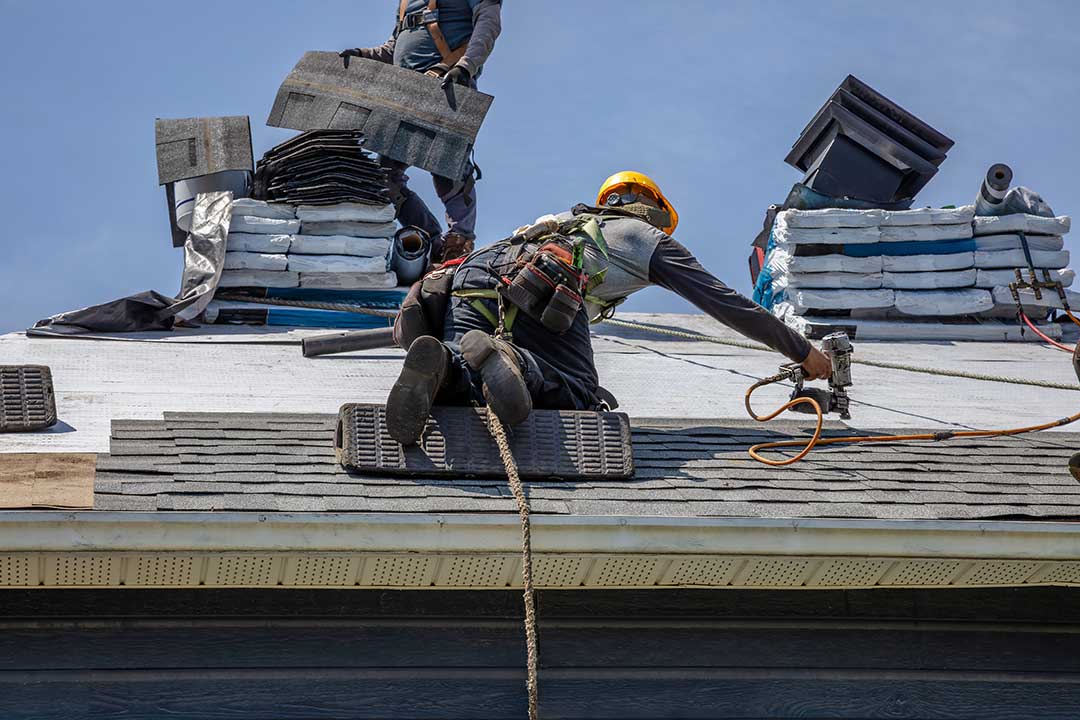
A second person can help stabilize the ladder and pass up light strands, but that does not replace proper ladder placement. Never climb while carrying bulky decorations or tools in both hands.
Keep ladders well away from overhead electrical lines. Lights should never be installed near a power line, service mast, or utility connection where a person, ladder, or long pole could make contact.
Can lights be attached directly to shingles?
Light clips may rest on shingle edges when they are made for that purpose, but the roofing material should not be lifted, bent sharply, drilled, or punctured. Do not force a clip beneath a shingle if it causes the shingle to crack or lose its position.
It is better to use the fascia, soffit, or gutter area when those surfaces can support the clips without damage. Fixtures should never interfere with attic ventilation openings, such as soffit vents. Blocking ventilation can contribute to moisture buildup and winter condensation in the attic.
Do not attach lights to chimney caps, plumbing vents, roof vents, or other components that are not intended to carry decorations. Heat-producing equipment and flammable materials should also be kept separated.
How can electrical connections be protected from snow and rain?
Outdoor-rated light strands and extension cords should be used outdoors. Indoor-only equipment may not have the insulation, sealing, or weather resistance needed for exposure.
Connections should remain elevated and positioned where water will not collect. A downward loop in the cord near the connection can help prevent water from running directly toward the plug. Connections should not sit in snow, puddles, or areas where roof runoff falls.
Use only outdoor-rated extension cords that are appropriate for the electrical load. Multiple strands should not be connected beyond the manufacturer’s stated limit. Avoid running cords through windows or doors, since closing them on a cord can damage the insulation and allow cold air or water into the home.
Timers and controls should also be rated for outdoor use if they are located outside. Disconnect the lights before adjusting, repairing, or moving them.
What weather conditions matter in Waverly?
Winter weather can change a safe installation into a hazardous one. Snow and ice add weight to cords, clips, gutters, and decorations. Wind can pull strands loose and cause them to strike siding, windows, or nearby trees. Freeze-thaw cycles can loosen clips and create sharp ice around roof edges.
After a major storm, inspect the installation from the ground. Look for sagging strands, loose clips, damaged cords, fallen branches, and ice accumulation. Do not pull on a frozen cord or try to break ice away from a light strand while it is connected to power.
Lights should be unplugged before heavy snowfall, freezing rain, or strong wind if the installation is likely to be affected. They should be removed promptly if they become buried, damaged, or entangled.
When should roof lights be removed?
Seasonal lights should come down before winter damage becomes a roofing problem. Waiting until spring can leave cords brittle, clips loose, and fasteners hidden beneath snow or ice.
Remove the lights during mild, dry weather. Do not yank strands from the roof edge. Instead, release each clip carefully so shingles, gutters, and trim are not pulled or bent. Inspect the lights again before storing them in a dry container away from rodents and sharp objects.
If the roof edge is difficult to reach safely, the weather is poor, or the roof has damage or heavy ice, postponing the project is safer than improvising. A light display is temporary; a fall or roof leak can create a much larger problem.
